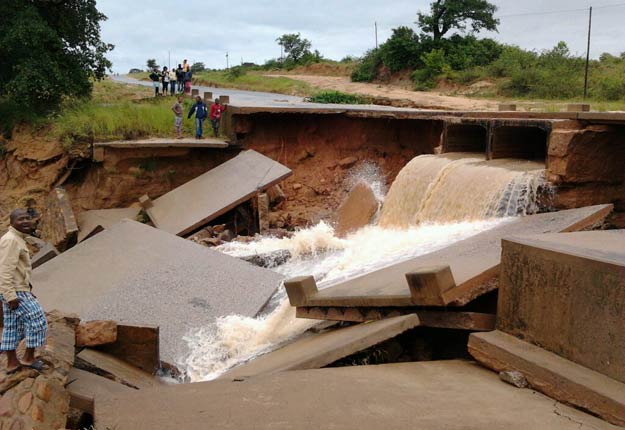
Devastating Floods Hit Kruger National Park — What Happened and How You Can Help
In January 2026, unprecedented heavy rainfall and severe flooding swept through Kruger National Park, one of South Africa’s most iconic wildlife reserves, causing widespread destruction and long-lasting impacts for the park, local communities, and international tourism.
A National Disaster Unfolds
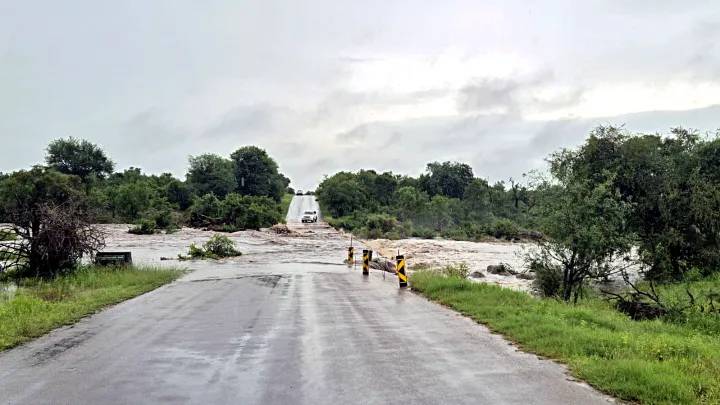
A persistent weather system brought days of relentless rain across Mpumalanga and Limpopo provinces, swelling rivers like the Sabie, Sand, and Letaba beyond their banks. Authorities were forced to temporarily close large parts of the park, evacuate guests and staff, and classify the event as a national disaster due to its extensive destruction.
While no fatalities were reported within the park itself, surrounding regions of South Africa and neighbouring countries suffered tragic losses and displacement due to flooding, with official tallies reporting dozens of deaths tied to the wider weather event.
Infrastructure Devastated
The floods have taken a catastrophic toll on the park’s infrastructure:
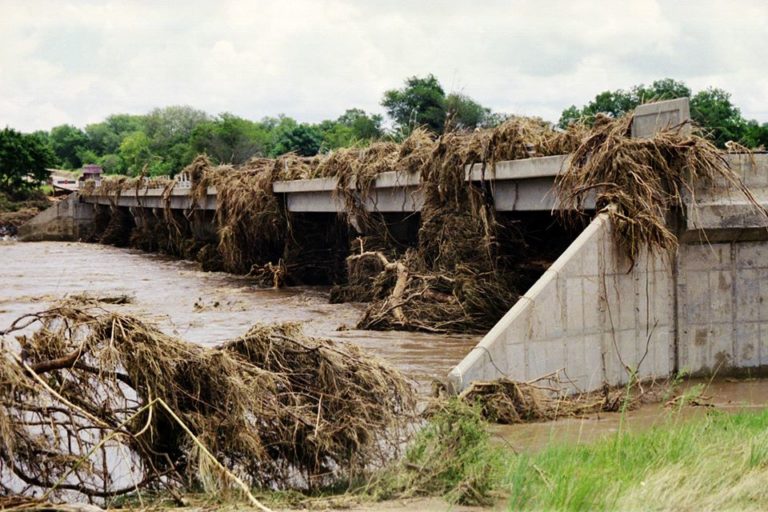
- Bridges, roads, and low-water crossings were washed away or severely damaged.-
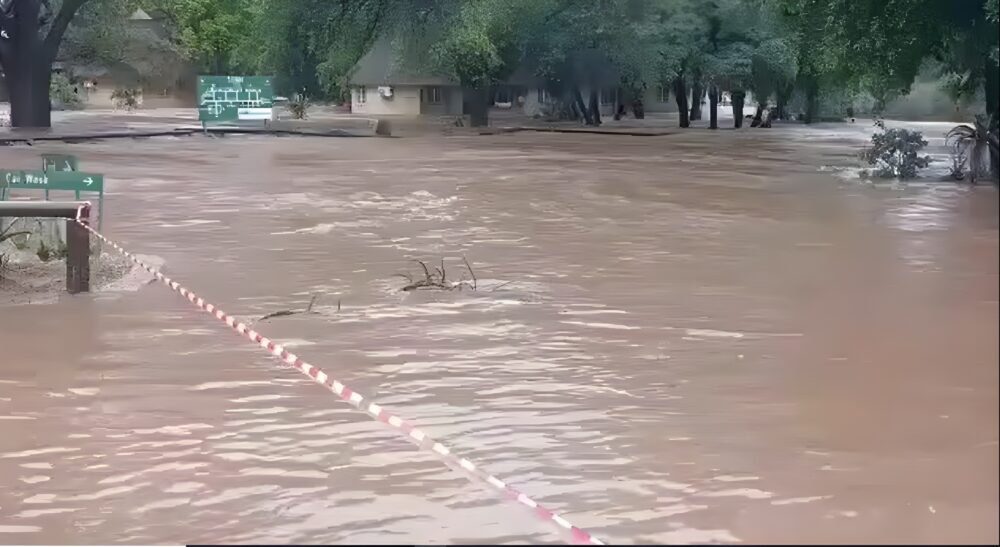
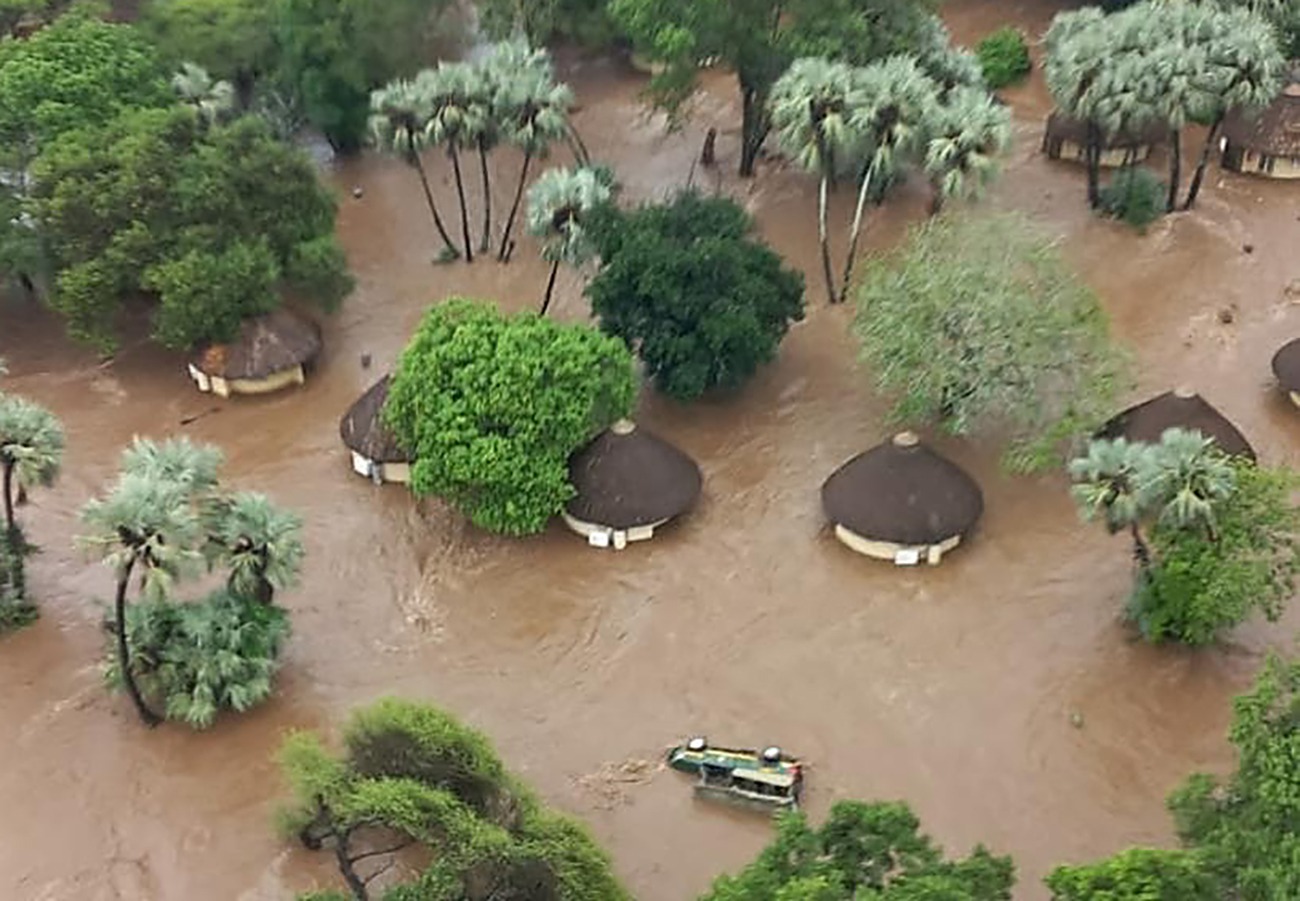
- At least 15 tourist camps remain closed or inaccessible due to impassable routes and destruction.
-
- Electrical systems, water services, and staff villages suffered damage, disrupting daily park operations and visitor services.
Officials have stated it may take years and hundreds of millions of rand to restore normal operations. Damage estimates suggest costs could exceed R500 million (≈ $30 million), and full repair work may stretch over five years or more.
Wildlife and Tourism Impacts
Kruger National Park’s wildlife are remarkably resilient — many animals instinctively moved to higher ground ahead of the flooding. However, the disruption still affects natural behaviours, migration patterns, and accessibility for researchers and conservation teams. Recent reports indicate that floods even wiped out scientific instruments and valuable ecological data used to monitor biodiversity.
Tourism, a cornerstone of the park’s funding and local economy, also took a major hit. Visitor entries during the flood period dropped significantly — by around 41% compared to last year — as access routes and accommodations were compromised.
The Long Road to Recovery
Officials from South African National Parks (SANParks) and government ministries have established dedicated recovery and relief efforts to raise funds for reconstruction and conservation work.
These efforts focus on both:
-
rebuilding critical infrastructure like bridges and roads,
-
and restoring Kruger’s vital role as a global conservation leader.
Given the scale of the damage, support from both domestic and international communities is essential.
How You Can Help
If you’d like to support Kruger National Park’s recovery and conservation efforts, SANParks has set up an official fund:
Donate here: